Accessibility is a human right. Everyone—regardless of physical, cognitive, sensory, or other differences—should be able to fully participate in activities, access information, and use services.
Halifax, and the province of Nova Scotia as a whole, are working toward the goal of a fully accessible Nova Scotia by 2030. While there is still work to be done, Halifax has made significant progress toward being a more accessible city for everyone.
There are a few ways this commitment to greater accessibility translates into the events industry in particular. For starters, Halifax is home to the Halifax Convention Centre, a multi-purpose venue in the heart of downtown that was purpose-built to welcome folks from all backgrounds, abilities, and needs. Most of the hotels in downtown Halifax offer a number of accessible rooms with wheelchair-friendly layouts, roll-in showers, grab bars, and lowered counters. Many off-site venues and establishments also provide accessible facilities, though, as a historic city with a downtown built on a hill, there is still work to be done on this front.
Beyond buildings and infrastructure, Halifax has services and programming such as ASL interpreters, support facilitators, sighted guides, accessible public transit, and more to support guests with a variety of needs.
Below, you’ll find more information on the facilities and services available to ensure your next event in Halifax is welcoming and inclusive for everyone.
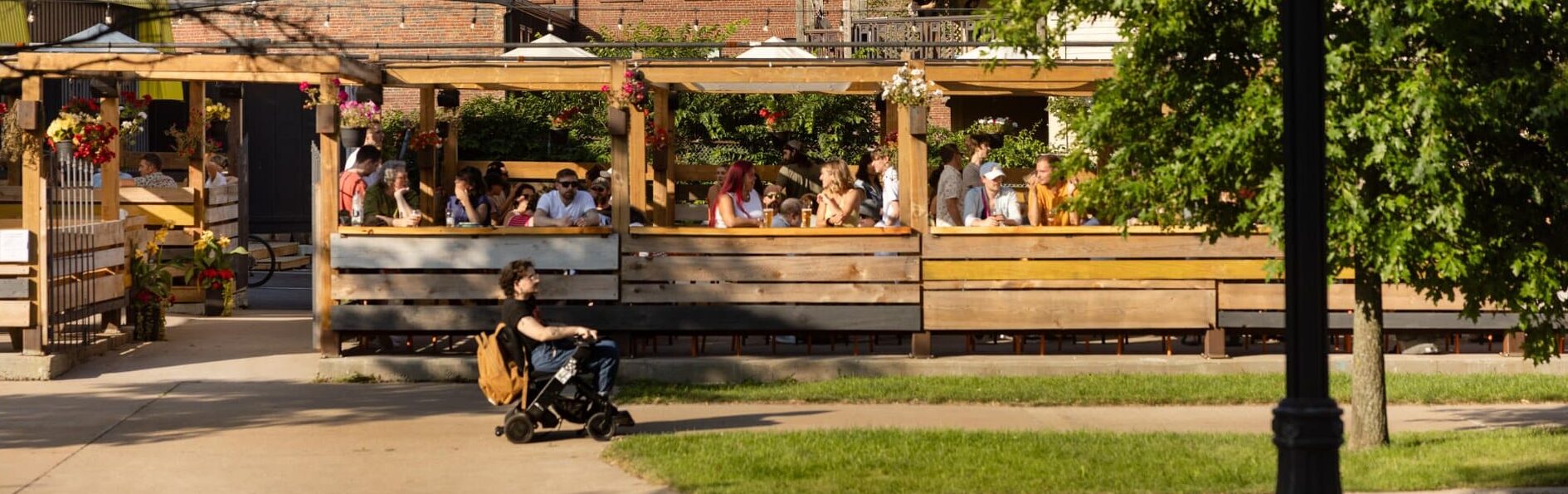
What Does Accessibility Mean?
Broadly speaking, accessibility involves preventing and/or removing attitudinal and environmental barriers related to:
- Information and communication
- Transportation
- Employment
- The built environment
- Education
- Goods and services
In practice, this can include everything from private, universal washrooms to dedicated quiet spaces, hearing assist services, and so much more.
The best way to determine what accommodations you might require for your next event is to engage delegates early and directly. By asking attendees what they need ahead of time, you can work with venues and other service providers to ensure you have what you need once it’s time for your event.
Because accessibility can be such a broad topic, it can be helpful for event planners to think about two main areas:
- Access to physical event space—this includes considerations like parking, washrooms, entrances, meeting spaces, etc.
- Access to event materials and presentations—this includes things like electronic and audio versions of presentation materials, large print, braille, American Sign Language (ASL)/English interpretation, and real-time captioning (CART).
Halifax Convention Centre
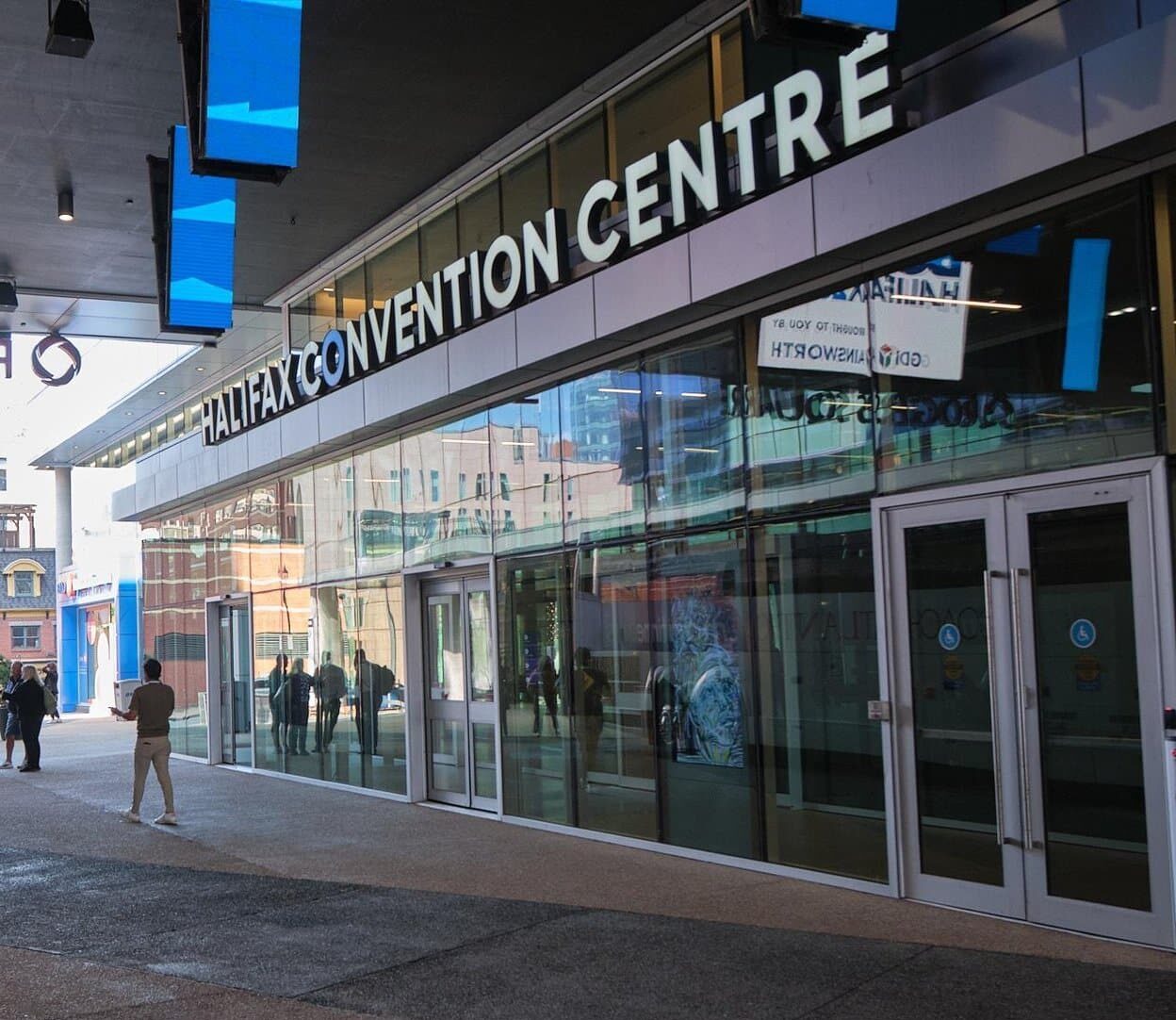
The Halifax Convention Centre (HCC) is committed to providing a fully accessible experience for all attendees and is considered a leader in this space. With support from a dedicated Accessibility Advisory Committee, the HCC is one of 12 facilities in Nova Scotia that are Rick Hansen Foundation Accessibility Certified™, which means it has earned a national stamp of approval for creating a space that’s truly accessible for all.
In practice, this means the HCC includes physical space considerations such as:
- General Accessibility: Public sidewalks serving the HCC are level with the roadway and separated by a tactile attention indicator (TAI) providing flexible access. The facility has automatic doors at the Argyle and Grafton Street entrances. Washrooms throughout the building are fully accessible, with universal washroom options also available.
- Elevators: Elevators equipped with two-way communications to the HCC Security Operations Centre provide access to all floors in the building. Elevators have audible floor notification and the call buttons have both raised characters and braille.
- Hearing Assist Systems: The Convention Hall and Ballroom spaces come automatically equipped with Infrared Audio Assistive Listening Systems. Meeting rooms and public spaces can be equipped with the same technology with advance notice.
- Parking: An underground parking garage with dedicated accessible spaces and an elevator is located underneath the HCC.
- Service and Support Animals: HCC is committed to accommodating the needs of individuals who rely on service and support animals.
- Stage Accessibility: The stage can be set up to accommodate speakers or guests who may have accessibility needs.
With a flexible space and a team who are eager to accommodate any and all needs, conveners who have other specific accessibility concerns can work directly with HCC staff to find solutions to ensure all delegates can be properly accommodated.
Access to Event Materials and Presentations
Accessibility is about more than just physical space—it also includes considerations for how your delegates can receive information and participate in your event programming. This can include considerations like:
- Versioning: Consider how information at your event will be delivered and, where possible, create multiple ways to make materials available. This can include written and oral methods, along with leveraging technology or supports that may make materials easier to receive.
- Scheduling: People with disabilities may need extra time to travel to and from a venue, so consider where your delegates are coming from and make scheduling allowances to accommodate those who may need a few extra minutes. For those relying on public transit, Access-a-Bus operates on a set schedule with pickups and drop-offs booked in advance. When events run long or end early, it can leave folks without access to transportation.
- Availability: Services like ASL interpreters, oral translators, and real-time captioning professionals are in high demand but short supply. By booking services as early as possible, you can ensure you have what your delegates need.
While the best way to assess your event’s specific accessibility needs is to communicate with delegates ahead of time to clarify their requests, below are a few commonly used services to consider.
- TEAM Work Cooperative: Provides ASL interpreters, CART (Communication Access Real-time Translation), and accessibility support.
- Canadian National Institute for the Blind (CNIB): Offers braille transcription services for conference materials along with sighted guide support.
- Teletypewriters (TTY): A TTY is a text telephone consisting of a keyboard and a small display screen that facilitates communication over a phone line via typed conversation. The Nova Scotia Accessibility Directorate provides access to this technology and can be reached toll-free at 1-877-996-9954 for booking inquiries.
Other Resources
Accessibility is not a one-size-fits-all kind of solution, and it can mean different things to different people. Clear communication and clarifying accessibility requests in advance are crucial to success. And remember, flexibility and creativity are important tools in any convener’s toolbox to ensure all delegates can feel welcome and accommodated.


